

Laboratory water baths are essential tools across various scientific disciplines, ensuring precise temperature control for experiments and processes that require consistent temperatures over extended periods. Whether conducting sensitive biochemical reactions, incubating cells, or calibrating instruments, understanding the correct usage and maintenance of water baths is crucial for obtaining accurate and reliable results. This guide details the fundamental principles, types, setup, and maintenance of water baths, providing the knowledge necessary for their effective use in scientific research.
Introduction
In the lab, a water bath is a device that uses heated water to create a controlled environment at a stable temperature for experiments and procedures that need consistent temperatures. It’s widely used in fields like chemistry, life sciences, and medicine for tasks such as heating samples, dissolving solids, or incubating at specific temperatures. Water baths are important because they provide even heat distribution, minimizing temperature variations that could affect how accurate experiments are.
Unlike heating with an open flame or using an oven, a water bath gently heats samples without direct contact with the heat source, all while keeping a steady temperature. This is essential for maintaining the quality of sensitive materials, like enzymes and proteins, that can easily break down under too much heat.
Even though a water bath might seem like a simple tool, using it correctly is key to getting reliable results in many lab tasks. This guide will explain how to use water baths, how to choose the right one for your needs, and how to use and maintain them effectively. Whether you’re an experienced lab technician or a student new to the lab, understanding these tools is important for ensuring your experiments succeed and for making your lab work more efficient.
What is a Water Bath?
Basically, a water bath is a container filled with water that has its temperature controlled. It uses a built-in heater and thermostat to keep the water at a constant temperature. This design makes sure that samples inside the container get heated evenly, providing stable temperature conditions. Because they are relatively simple to control the temperature of and are not too expensive, many research labs use them.
Water baths are especially useful for experiments that need heating for a long time and where temperature changes should be avoided, like extracting DNA or dissolving gelatin. The water itself helps to spread the heat evenly to the samples, preventing them from getting too hot or not hot enough.
Most lab water baths have specific features to make them easy to use and perform reliably:
Temperature Control: They have a thermostat or digital controller built in, so users can set and maintain the temperature they need.
Heat Source: The heater is usually at the bottom of the bath. It heats the water evenly to keep a consistent temperature throughout.
Water Level Indicator: Many water baths have a way to show the water level, so you can make sure there’s enough water for them to work properly.
Insulation: To prevent heat from escaping and to save energy, water baths are usually insulated to keep the heat inside.
Safety Features: Some models have an automatic shut-off feature to prevent overheating and accidents. This is important when working with sensitive or dangerous materials.
Types of Water Baths
There are two main types of water baths: circulating and non-circulating.
Circulating Water Baths: These use a pump to continuously move the water around, making sure the temperature is the same throughout the bath. They are ideal for samples that are sensitive to temperature and need very precise temperature control. These are often used when even heat distribution is important, like during enzyme incubation.
Non-circulating Water Baths: These do not have a pump and rely on natural movement of the water to distribute heat. They are generally less expensive than circulating models but do not provide the same level of temperature uniformity. Non-circulating water baths are usually good enough for applications that don’t need very strict temperature control, such as warming solutions or simple incubation.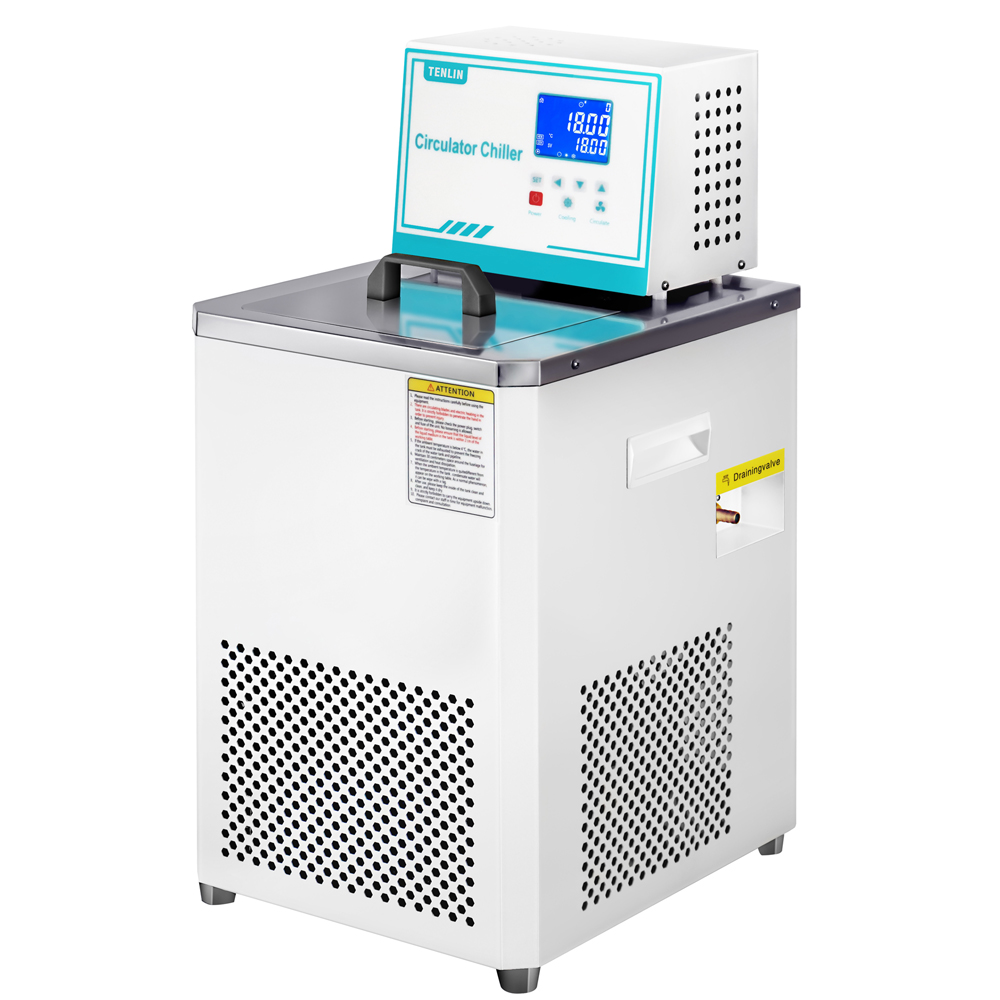
Post time: Apr-06-2026